






Opening a pledge manager before properly calculating your post-campaign costs is one of the fastest ways to lose margin after a crowdfunding campaign.
Many campaigns fund successfully, but run into trouble later when hidden costs, logistics issues or last-minute decisions begin to affect both profitability and the backer experience.
The post-campaign phase does not begin when you open payments. It begins much earlier, when you define what you will ship, where it will ship from, which countries you will serve, what the real weights are, which addons will be available and which tax or logistics rules apply to each destination.
Without that foundation, the pledge manager stops being a control tool and becomes a patch for operational problems.
The costs you should not ignore
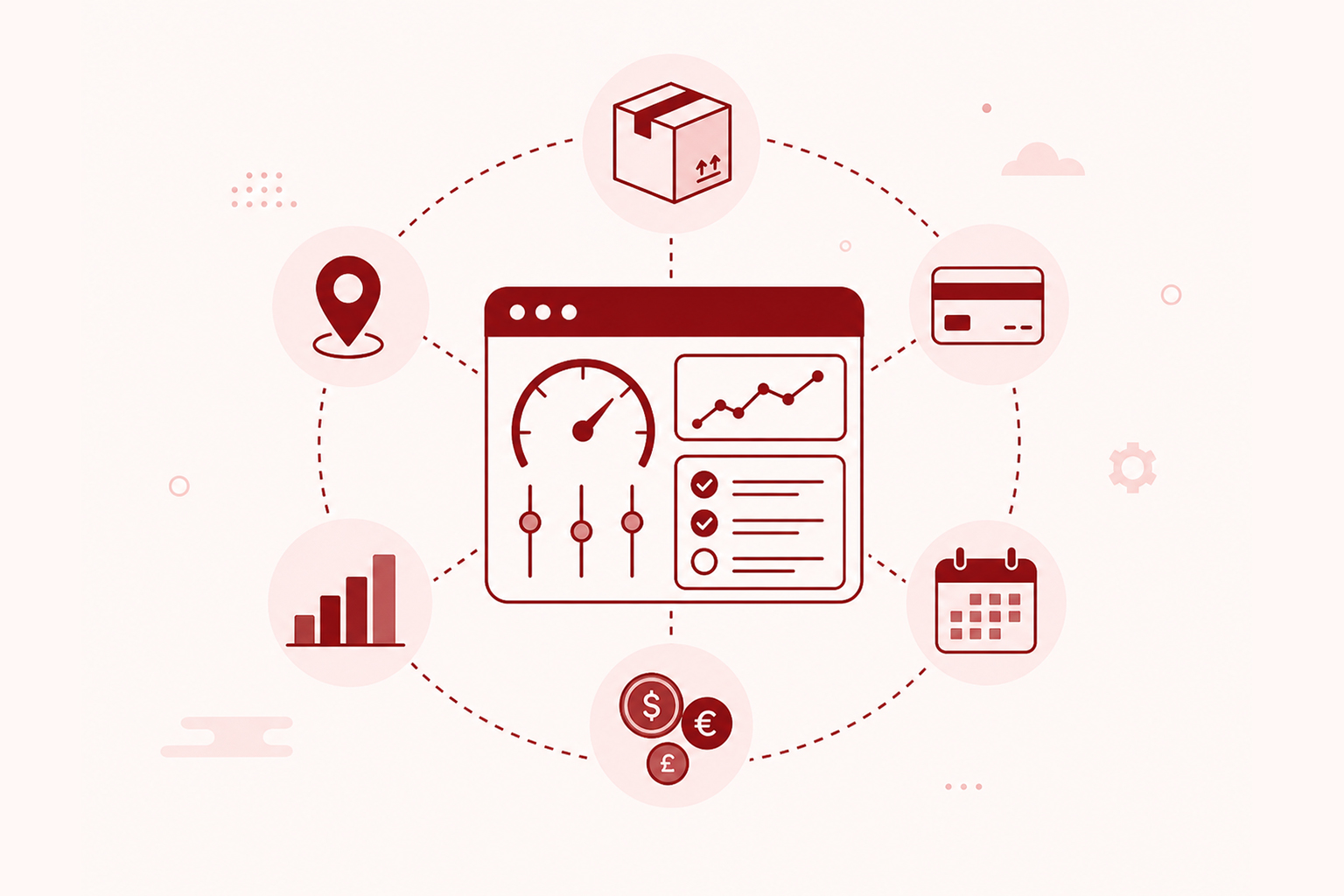
One of the most common mistakes is to think only about freight. The real cost also includes payment gateways, transaction fees, packaging, pick and pack, replacements, support tickets, address changes, VAT differences, customs and deviations caused by incomplete data.
In campaigns with many backers, small repeated mistakes quickly become a major cost line.
That is why it helps to build a realistic estimate before launching your pledge manager. You do not need every number to be perfect, but you do need a model solid enough to understand your margin and identify which decisions may change the final cost.
How to structure the analysis
A useful starting point is to divide your costs into five blocks.
1. Collection costs: payment gateways, transaction fees and currency-related costs.
2. Logistics costs: storage, picking, packing materials and shipping.
3. Tax costs: VAT, country-specific treatment and related documentation.
4. Operational costs: backer support, issue handling and manual changes.
5. Commercial costs: discounts, badly priced addons or promotions that erode margin without being obvious at first.
The real value of a pledge manager
It is also important to review data quality before opening the post-campaign. If addresses arrive incomplete, if country rules are unclear or if backer information is not properly structured, every order requires more manual intervention.
That does not just delay fulfillment; it also increases internal workload and raises the risk of errors.
This is where a well-configured pledge manager creates real value. It is not only a tool to collect payments after the campaign. It helps centralize orders, validate addresses, organize addons, segment regions, apply shipping rules and keep data ready for fulfillment.
The cleaner the data, the lower the friction later on.
Before opening your post-campaign, it is worth answering a few basic questions: what is the real cost of serving each order, which regions carry the most risk, which addons create the most logistics complexity and how much of your margin depends on accurate data from the start.
In crowdfunding, funding the campaign is only one part of the journey. Real profitability is decided in execution, and the better you calculate that cost before opening your pledge manager, the more control you will have over your post-campaign.