






Successfully closing a crowdfunding campaign is only the beginning. Once international shipping starts, two major sources of stress usually appear: customs and the avalanche of backer emails asking where their reward is.
The good news is that most of these problems can be anticipated, reduced, and communicated better. In this article, we explain how to handle them without becoming overly technical... or losing your patience.
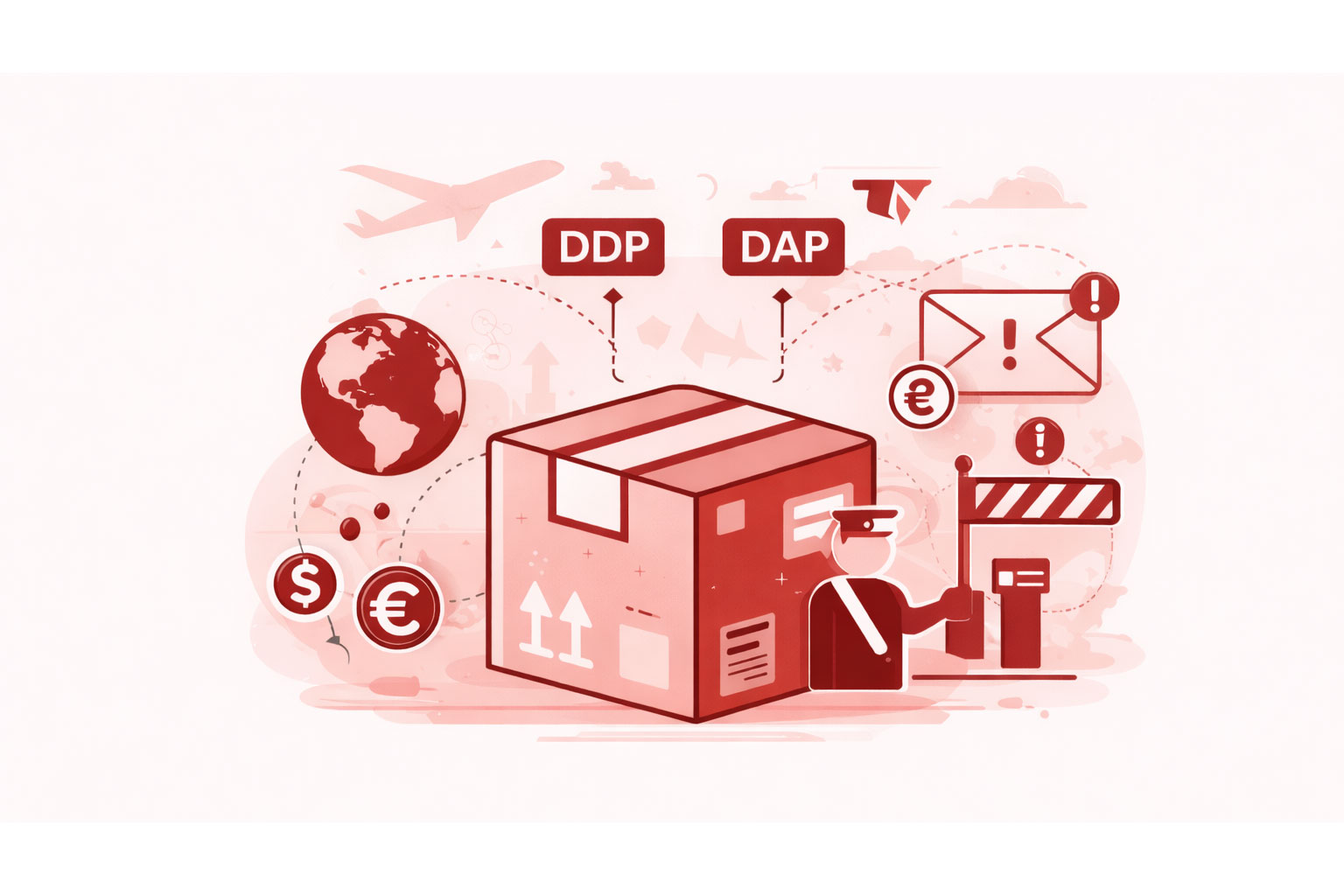
DDP vs DAP: what you really need to know as a creator
If your campaign ships from a third country, meaning outside the 27 member states of the European Union, you will likely face one major logistical challenge: customs.
You do not need to become an international trade expert, but you do need to understand one key point: who pays for what, and who takes responsibility for the shipping process.
DAP (Delivered At Place)
Under DAP, the package arrives in the backer’s country, but the backer is the one who must handle and pay for the import clearance, the applicable VAT, possible duties, and any related handling fees.
From the creator’s point of view, this is usually the cheaper option. However, it is also one of the main causes of friction when it has not been clearly explained from the start.
- Angry emails
- Packages held at customs
- Delivery rejections
Only suitable if you communicate it very clearly during the campaign.
DDP (Delivered Duty Paid)
Under DDP, the creator assumes and pays the taxes and customs handling fees in the destination country. For the backer, this creates a much smoother experience: the package arrives as if it were a domestic shipment, with no unexpected charges or paperwork.
It is more expensive, but also more professional and convenient.
- Fewer issues
- Better experience
- Fewer emails and support tickets
Ideal for larger campaigns or projects with a premium brand positioning.
The key is not simply choosing DDP or DAP. The real key is setting expectations properly. Many problems do not come from the cost itself, but from the surprise.
The forgotten issue: shipping costs are not just transport costs
One of the most common mistakes in first-time campaigns is assuming that shipping costs only mean paying for transportation. In reality, international shipping includes many more elements.
- VAT
- Import duties
- Customs handling fees
- Storage costs if the shipment is held
- Reshipping costs if the package is rejected
If these costs are not properly planned, someone will end up paying for them. And if the backer is not expecting them, the problem will not just be logistical. It will become reputational as well.
VAT and IOSS: the minimum you need to understand
You do not need to become a tax specialist, but you do need to understand this: if you are shipping from outside the European Union, VAT exists and it applies.
If it is not handled correctly, the package may be stopped, the backer may receive an unexpected payment request, and frustration will quickly follow.
In some cases, the IOSS system allows VAT to be paid in advance for eligible shipments entering the EU, which helps avoid extra payments at delivery. You do not need to master every technical detail, but it is wise to work with logistics partners who know how to manage it properly.
Ignoring VAT does not make it disappear. It only makes it show up at the worst possible moment.
Not every destination works the same way
Not every country follows the same timelines, controls, or customs processes. That means some shipments will move quickly, while others may take several extra days or even weeks.
Promising the same delivery timeline to every backer is one of the most common mistakes. A far more professional approach is to work with realistic delivery ranges and explain them clearly from the start.
How to avoid an email storm
Delays can happen. What makes the difference is how you manage them and how you communicate them.
- Communicate before people ask
- Explain clearly what is happening
- Remind backers how the shipping model works, whether DDP or DAP
- Centralize your communication to avoid inconsistent replies
Transparency will not remove customs, but it will remove much of the mistrust around them.
In summary
You do not need to be an expert in international logistics to manage shipping well. But you do need to understand who pays what, avoid underestimating real costs, take VAT into account, set realistic expectations, and communicate clearly.
When you do this well, you are not just delivering rewards. You are also building trust, and that trust is the foundation for any future campaign.